.jpg)
My Interview: Smart Investor – May/June 2021 | Issue 367 – Retirement Planning
1. What is the number 1 advice you would give all your clients of retirement age (aka baby boomers)?
Retirement is the dream many worked for but this dream could be shattered for some groups of people. And we have been hearing about people pushing off retirement as they don’t have enough saved for retirement – they spend their lifetime working hard for the family and children’s education, they end up with little savings and put their bet (retirement plan) on next generation. Based on average mortality age, one should calculate their expenses for the next 20-30 retirement years with taking inflation into consideration, and if we translate that into ringgit term, it means you should have a nest egg of approximately RM1 million. In an interview with The Edge (May 2020), KRI senior research associate Hawati Abdul Hamid noted some worrying findings. “More than 80% of EPF contributors do not meet the minimum savings target of around RM240,000 by retirement age, and the bottom 20% of contributors average less than RM7,000 in savings.”
My number 1 advice is – maintain a healthy lifestyle – healthcare could be very taxing and cost a fortune. And next, write your will or set up a trust.
Among the baby boomers that I have met, some have no idea about financial planning and many do not have life insurance / healthcare insurance. This could be a major concern for most of them as we all know that medical cost has been on an upward spiral for a long time with an estimated medical inflation of 10-15% annually – which means treatment cost will only escalate over the years. As citizens, we certainly can seek medical treatment at a local general hospital which medical cost is hugely subsidized by the government. However, for certain circumstances, people still opt to seek treatments from private hospitals due to urgency or other reasons.
Accidents, injuries, chronic illness are examples of unforseen events which requires us to fork out a substantial sum of money. As we aged, health issues can be more and more common that need to be taken care.
When researchers compared the men with exceptional longevity to their less fortunate peers, they identified five simple risk factors associated with a shorter life span. Three of these factors (smoking, lack of exercise and obesity) can be corrected or modified by lifestyle changes, while the other two (high blood pressure and diabetes) can be prevented or modified by lifestyle changes, medical management, or both. Many are beginning to recognize that taking a measure to prevent disease is much less expensive than treating it once it has occurred. To a greater extent, preventing disease is aided by living a healthy lifestyle whilst breaking unhealthy habit requires behavior change.
Will Writing – Insurance & EPF nomination is important to you, why not your estate?
[if !supportLineBreakNewLine]
[endif]
There are many reasons why people tend to put off making a will, often because they are reluctant to face the morbid subject of their mortality. Base on statistic, only two million people, or about 28% of the total seven million people that make up the working population in Malaysia, have a will, according to MWD Wills Depository Sdn Bhd. (Source: https://www.thestar.com.my/business/business-news/2019/06/18/only-28-of-malaysian-workers-have-a-will).
With a proper will done, you can articulate all your wishes, which can run the gamut from what you wish to give to each of your loved ones, and whether they are to benefit from the gift immediately or over a period of time.
You can express the apportionment of your assets to each of them, whether as a measure or endorsement of your love for each of them or a reflection of your intention to cater for their special needs or nurture their nascent talents. Other benefits of having a will including but not limit to:
- You can be clear about who gets your assets. You can decide who gets what and how much.
- You can keep your assets out of the hands of people you don’t want to have them (like an estranged relative).
- You can set monthly maintenance allowance for your disabled/special needs children or aged spouse who are not capable/no longer fit to handle their financials – by setting up a trust. You can also set condition such as to leave the house unsold until passing of spouse/disabled children.
- Your heirs will have a faster and easier time getting access to your assets.
- Transfer of immovable assets (real property, land) to beneficiaries by way of will and paying only RM10 stamping for each properties, saving thousands on stamp duty as compare to not having a will.
- Declaration of Trust to handover businesses in the safest and fastest way. Imagine when you are not around and creditors start to demand for payment. On the other hand banks will have concern if the key shareholder / keyperson with no proper succession planning might affect the business operation and growth – may eventually want to review their existing lending to the business. All this may be a disaster to business cashflow if credit facilities were to clawback or reduce if business risk is expose to this.
What Happened if I die without a will?
[if !supportLists]· [endif]Your assets will be distributed according to the formulas set out in the Distribution Act 1958, and not according to your wishes or the needs of your family members;
[if !supportLists]· [endif]The court will appoint a trustee and executor to administer your estate, and this may give rise to disputes between family members or beneficiaries on who should be appointed;
[if !supportLists]· [endif]The distribution process will take longer and cost more, ordinarily requiring a bond and the appointment of 2 sureties to guarantee the proper administration of the estate, as well as further court orders to effect the transfer of real property.
2. In your opinion, in this current economic climate and cultural trends, do you think semi-retirement is a more viable option than full retirement?
For many people, being semi-retired is preferable to being fully retired. Reasons vary from just wanting to remain busy to oft-cited need for supplemental income. Some of them may experience anxiety after retirement. After decades of working, the stark difference may trigger a sudden loss of meaning in life. Semi-retirement could be more rewarding, fulfilling and gives them sense of security as they continue to receive their wages/income.
Personally, I would like to stay social and active after my retirement, connecting with friends and family. I would think that semi-retirement is my ideal kind of retirement lifestyle. I would love to continue sharing my knowledge with people, and help as many people as I can. Many Malaysian still taking a passive stance on retirement and underestimating their financial needs. Factors such as inflations and life event could deplete one’s hard earn savings faster than we may expected. It is our role as financial consultant to create awareness for the public. As a Licensed Financial Planner, we want to go above and beyond the call of duty in anything that I could do. I aspire to add value to my profession with a passion beyond rudimentary salesmanship and it is my commitment to promoting financial literacy in the community and the people around me.
3. From your own perspective and client base:
– How many of them are already retirees?
From my existing clients base, only 25% are retirees. However I do provide free advice for the retirees whenever they need to understand product features that suite them, as financial products could look complicated and difficult to understand.
[if !supportLineBreakNewLine]
[endif]
– How many of them are of retirement age and would like to retire but have been finding it difficult to?
Most of them are semi-retirees. Some remain active in investing activities such as stocks, mutual funds or bonds. Some have become consultant in their own line of work or started their own ventures, mostly associated with their past experience and hobbies.
– What would you recommend for them to do?
Share basic concept of cashflow planning and cut unnecessary expenses. Live a simple life. As each individual’s situations varies, I will advise according to their situations and needs.
Planning our retirement budget can improve our peace of mind and lessen our stress about money in the golden years. Plus, calculating our budget will help us avoid spending too much of our nest egg too soon—a financial mistake many retirees make. You have the most control over one critical factor: your spending. Once we’ve retired, it may be tempting to see that sizable nest egg we’ve saved as a good excuse to start checking items off our bucket list. But over-spending can be financially dangerous; we’ve got to make our savings last, likely for decades.
We may find we’re willing to make certain trade-offs to retire earlier, travel more, or spend more on fun and hobbies. A good, detailed budget helps us live within our means, enjoy our life, and make our savings last as long as possible.
4. Our article will feature one professional who is of retirement age but is currently too dedicated to their job – what advice would you give to these clients where money is not a motivating factor for them to keep working, but it’s also something they still consider?
Working into retirement or opting for semi-retirement can be great for longevity and quality of life, not only because it helps a person to maintain their mental faculties, but it also generally increases one’s social interaction, which can be a large factor in quality-of-life assessments, especially for single seniors. The culture is changing, more people want to stay active, may not necessary for money but to continue contributing to the society. A semi-retirement could be the best of both worlds.
5. Our article will also feature one professional who is of retirement age but is still saddled with some debt and the dedication to keep providing for generational wealth to pass on to their children (even though they are already working adults) – where would you begin with setting them onto the path to full retirement?
Many Malaysians might be happy to save just enough money to pay for their retirement and leave something for their children. On the other hand, there are very dedicated parents who want their money to last longer than one generation. They intent to have businesses that their grandchildren can continue running or they have accumulated enough wealth that, if managed properly, could provide good lifestyle for their future generations.
In my past working experience, I saw a handful of high-level professional who are brilliant, achievement-oriented and accomplished, but at the same time exhausted, depleted, depressed and demoralized. In pursuing of a great career, they have compromised their health and well-being. Sacrificing health and well-being demonstrates one lack of prioritizing himself as important, failing to understand that one must put himself first — before he can be of true service to someone else like his organization, family or his employer. If our body is shutting down, diseased or broken down from the way you work, we will be end up nowhere.
There is an oft-quoted saying that full of social wisdom: “Give a man a fish, and he will be hungry again tomorrow; teach him to catch the fish, and he will be richer all his life.” It is more beneficial in the long run to teach a person how to do something than to do that something for them.
Legacy is defined as: A gift or a bequest, that is handed down, endowed or conveyed from one person to another. It is something descendible one comes into possession of that is transmitted, inherited or received from a predecessor.
I would say that one should prioritize on his own health and retirement planning, because the children will have the ability to take care of themselves. Our children may very well be our highest priority, the center of our universe, and perhaps we feel that everything we do is for them, however they are not our legacy. The greatest gift we can ever give them is a blueprint for their own success. This blueprint is our legacy plan, and incorporating the knowledge, values, etc., that create our life and success.
6. How could baby boomers have planned their retirement better? Or what can they do now, going forward?
Is there more you can do to help yourself have a better retirement? Understanding your expected spending patterns and ensuring you have an appropriate investment and drawdown strategy can help you determine whether you can support your desired retirement lifestyle.
The first thing I would said is to stay invested – select the right investment vehicles which match our financial goal. The lumpiness of healthcare expenditures means we need liquid financial assets which can be sold to meet these lumpy expenditures anytime.
Diversity is a key consideration for asset mix in the investments. Suggest clients to put money in a diversified portfolio that crosses different geographical and industry sectors. Dividend stocks is one of the ideal ways to preserve the capital while receiving constant dividends. Mutual fund may sound like a better tool if the investors are not well versed in equity market and require advice and recommendation from consultants, as well as to rely on the skills and expertise of fund manager. Risk appetite for different individuals may vary and hence it is important to talk to your financial consultant to perform risk assessment before investing. Retirees should avoid going into high risk products which may ends up eroded your capital.
There is generally a clear relationship between your desired level of spending, how much your savings are and the way in which the retirement savings are invested. This is referred to as a drawdown strategy.
In essence, a good drawdown strategy may require you to balance the following objectives:
- Sustain a stable and comfortable standard of living in retirement. Ideally similar to what you were accustomed to prior to retirement
- Protect the value of your savings against being eroded by inflation and adverse market conditions
- Provide you with access to your savings to pay for unplanned expenses (without significant penalties for early withdrawal of your capital), and
- Minimise the risk that you will outlive your wealth, at least for essentials.
And remember as we get older, it generally becomes harder to solve new problems and process new concepts meaning we often find we shy away from complex decision making. Therefore, it’s important to develop a drawdown strategy early that works for you, which accounts for this cognitive decline and that lets you easily change your investments as your needs change during retirement.
Important: The information and opinions in this article are for general information purposes only. They should not be relied on as professional financial advice. Readers should seek independent financial advice that is customised to their specific financial objectives, situations & needs.
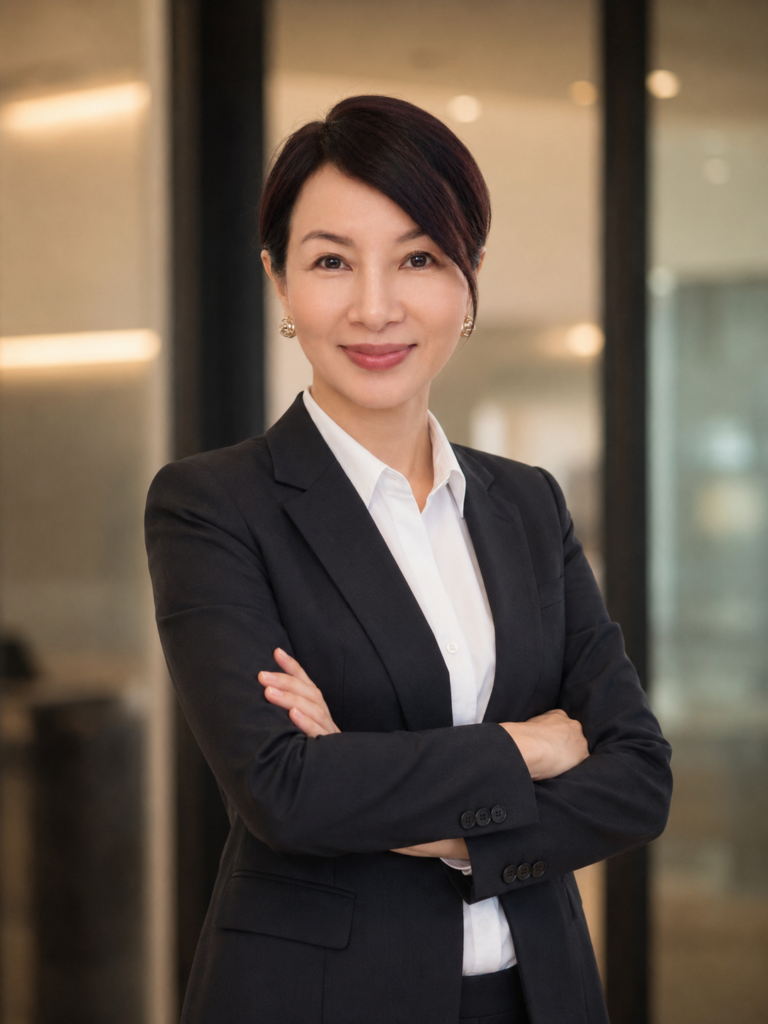
Published By:
Samantha Lim 林淑燕
Wealth Strategist | Will & Trust Specialist | Passive Income Architect
Most people work for their money. I design systems where money works for people.
With over 30 years in the financial industry and a background in Commercial Banking, I’ve learned that wealth isn’t built by just “saving”—it’s built by strategically deploying resources into the right tools at the right time.
I don’t just look at investments; I look at Resource Optimization. Whether it’s navigating complex market cycles or identifying high-performance assets, my approach is rooted in the same “Banker’s Rigor” I used to vet multi-million dollar corporate deals.
My Strategic Approach:
Tool Selection & Risk Management: Every financial tool has a purpose. I help you identify which “wealth machinery”—from high-yield dividends to strategic real estate or estate trusts—best fits your current life stage while shielding you from “invisible” risks like inflation and market volatility.
The Banker’s Due Diligence: I apply a institutional-grade vetting process to every opportunity. I look for the structural integrity of an investment—checking the “foundations” (legal, financial, and physical) before you commit your hard-earned capital.
Autopilot Systems: My goal is to help you architect a portfolio that functions as a self-sustaining ecosystem. I handle the complex structural engineering (Will, Trust, and Financing) so your income remains streamlined today and secured for tomorrow.
As Warren Buffett wisely said: “If you don’t find a way to make money work for you, you will work for money until you die.”
Wealth is not an accident; it is a design. Ready to architect yours?
Click HERE to start a chat!
财富策略师 | 被动收入架构师 | 前商业银行家
大多数人为钱工作,而我的目标是设计一个“让钱为你工作”的系统。
拥有超过 30 年的金融从业经验,并曾深耕商业银行领域多年,我深刻理解:财富的增长不仅仅靠“存钱”,更取决于你是否能在正确的时机,将手头的资源配置到正确的“工具”中。
我不只是在看投资机会,我更是在做资源优化(Resource Optimization)。无论是应对复杂的宏观经济周期,还是筛选高表现资产,我的方法论始终植根于我在银行审核千万级企业贷款时所秉持的**“风控严谨度”**。
我的战略逻辑:
工具筛选与风控: 每一种金融工具都有其特定用途。我帮你识别哪些“财富机器”——从高股息组合、战略性不动产到家族信托——最契合你当前的人生阶段,同时帮你抵御通胀与市场波动带来的“隐形”风险。
银行级别的尽职调查: 我将机构级的风控流程应用于每一个机会。在投入你的血汗钱之前,我会先用“银行家之眼”透视其结构完整性——从法律合规、财务透明到底层资产的真实性。
自动导航系统: 我的目标是帮你架构一个能够自我运作的资产生态系统。我来处理复杂的底层设计(包括融资架构、遗嘱与信托的闭环),让你不仅拥有现在的现金流,更拥有未来的确定性。
正如巴菲特所说:“如果你没法在睡觉时赚钱,你将工作到死。”
财富不是偶然发生的,它是被设计出来的。准备好开启你的财富架构之旅了吗?
咱们聊聊吧!点击【这里】直接开始对话!